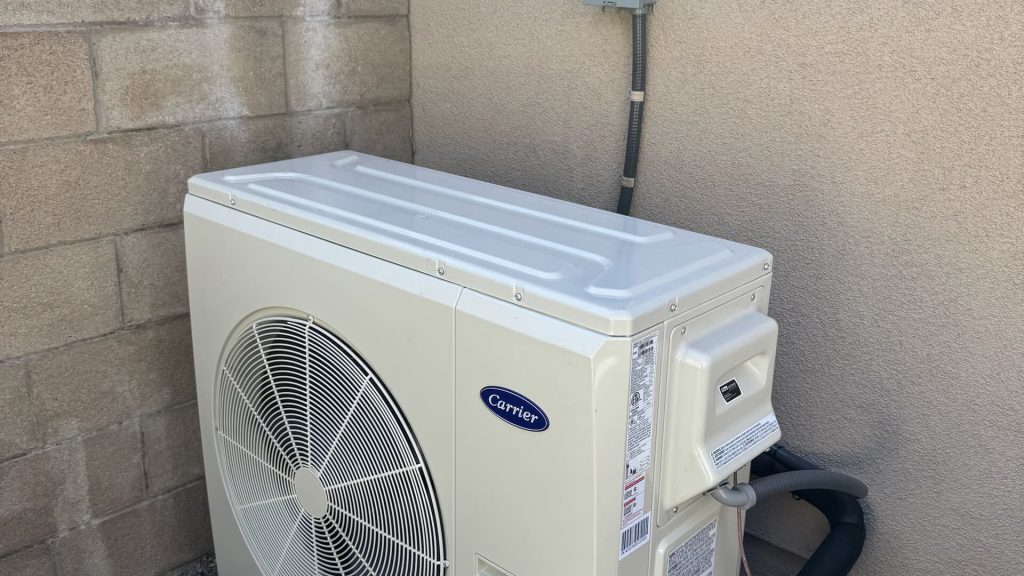
Your heating system’s performance depends entirely on who installs and maintains it.
When temperatures drop in Glendora and the surrounding foothill communities, your heating system becomes the invisible backbone of daily comfort and safety. The contractor you choose to install, repair, or maintain that system determines whether you face years of consistent warmth or recurring breakdowns at the worst possible moments.
Glendora’s climate presents unique demands. Winter evenings regularly dip into the 40s, and overnight lows in the foothills can fall below freezing. Mornings require immediate heat, especially in older homes with less insulation. Commercial properties face even tighter expectations: clients, employees, and operations depend on stable indoor temperatures from early morning through evening hours. A heating contractor who understands these rhythms and the systems that serve them makes the difference between a minor service call and a costly emergency.
The decision also shapes long-term costs. A properly sized and installed heating system operates efficiently, reducing monthly utility bills and extending equipment life. Rushed installations or incorrect sizing lead to short-cycling, uneven heating, and premature failures. Sean Patrick HVAC has worked in Glendora since 2010, and the patterns are clear: homes and businesses that start with quality installation and consistent maintenance avoid the majority of mid-winter crises that others experience.
Verify state licensing, NATE certification, and hands-on experience with local heating systems.
Licensing is the baseline. Any heating contractor operating without this license exposes you to liability and substandard work. Verify the license number through the California Contractors State License Board before signing any agreement.
Beyond licensing, certifications reveal ongoing commitment to skill and safety. NATE (North American Technician Excellence) certification is the industry standard for HVAC technicians. NATE-certified technicians pass rigorous exams covering installation, service, and system diagnostics.
Experience with the systems common to Glendora also counts. Many homes in the area rely on forced-air furnaces, often natural gas units installed in garages or attics. Commercial buildings may use rooftop package units or split systems. A heating contractor with years of local work understands the quirks of these installations, the ductwork challenges in older construction, and the ventilation requirements that vary by building age and layout. Ask how long the contractor has served the Glendora area and what types of systems they service most often. General HVAC contractors may handle air conditioning well but lack depth in heating system repair, installation, and maintenance. You want someone whose core focus includes heating, not just cooling.
Ask about load calculations, detailed estimates, maintenance plans, and emergency service availability.
The questions you ask before hiring reveal how a heating contractor works and whether they fit your needs. Start with process and timeline. How soon can they begin? What does the installation or repair process look like, step by step? For system installations, ask whether they perform a Manual J load calculation to size the equipment correctly. Oversized or undersized systems waste energy and fail early; proper sizing requires measuring your home’s square footage, insulation, window area, and orientation.
Pricing transparency separates honest contractors from those who inflate costs after starting work. Request a detailed written estimate that breaks down labor, equipment, materials, and any permit fees. Ask whether the estimate is fixed or subject to change, and under what conditions. Avoid contractors who provide vague verbal quotes or pressure you to decide immediately.
Maintenance and warranty terms matter just as much as installation quality. What does the manufacturer’s warranty cover, and for how long? Does the contractor offer a workmanship guarantee? What does ongoing maintenance include, and how often should you schedule it? Heating systems in Glendora benefit from annual inspections before winter, typically in late fall. These visits catch worn igniters, dirty burners, and failing blower motors before they cause breakdowns. Contractors who offer maintenance plans or service agreements often provide priority scheduling and discounted repairs, which proves valuable during busy winter months.
Finally, ask about emergency availability. Heating failures don’t wait for business hours. A contractor with 24/7 emergency service can restore heat the same day, preventing frozen pipes and extended discomfort.
Local experience with Glendora’s climate, microclimates, and seasonal heating patterns matters more than generic credentials.
Certain warning signs should end your consideration immediately. If a contractor cannot provide a valid license number or proof of insurance, walk away. Unlicensed work voids equipment warranties, violates local codes, and leaves you financially responsible for accidents or faulty installations. Similarly, contractors who refuse to pull permits for work that requires them are cutting corners that will cost you later.
Pressure tactics are another clear signal. Heating contractors who insist you sign the same day, offer steep discounts that expire in hours, or discourage you from getting multiple bids are prioritizing their sale over your needs. Legitimate contractors provide estimates and give you time to decide. If someone claims your furnace is unsafe and must be replaced immediately without showing you the problem or explaining it clearly, get a second opinion before proceeding.
Vague answers to direct questions also indicate trouble. If a contractor cannot explain what size system you need, why they recommend a particular brand, or how they calculated their estimate, they either lack knowledge or are hiding unfavorable details. Communication should be straightforward. At Sean Patrick HVAC, we walk customers through every decision, from equipment selection to installation steps, because informed customers make better choices and experience fewer surprises.
Finally, avoid contractors with no local presence or references. A heating contractor should have verifiable work history in Glendora or nearby communities, along with references you can contact. Online reviews provide useful context, but direct references offer deeper insight into how the contractor handles problems, timelines, and follow-up service. A contractor who hesitates to provide references or has no established local reputation carries unnecessary risk.
Choosing the right heating contractor protects your investment, your comfort, and your family’s safety.
Glendora sits at the base of the San Gabriel Mountains, where elevation shifts and microclimate variations create heating demands that differ block by block. A contractor unfamiliar with how cold air settles in the foothill neighborhoods or how older homes in the Citrus College area were built with minimal insulation will struggle to size systems correctly or diagnose inefficiencies. Coastal contractors may underestimate the heating load required for January mornings when temperatures drop into the low 30s, while those unfamiliar with the area might overlook the dust and particulate challenges that come with Santa Ana wind events, which clog filters and stress blower motors faster than in other Southern California regions.
Experience with the housing stock common to Glendora and surrounding cities like San Dimas, Claremont, and Monrovia also shapes outcomes. Many homes were built in the 1960s and 1970s with single-pane windows, minimal attic insulation, and undersized ductwork. A contractor who regularly works in these neighborhoods understands how to balance heating output with existing infrastructure limitations, recommend targeted efficiency upgrades, and avoid oversizing equipment that cycles too frequently. They also know which local suppliers stock parts quickly, reducing downtime during emergency repairs in the middle of winter.
Seasonal demand patterns in the area create another local consideration. Heating calls spike sharply in late November and December, when families prepare for holiday gatherings and discover systems that sat idle since March no longer function. Contractors with deep roots in Glendora plan for this surge, maintain adequate staffing, and prioritize preventive maintenance visits in October and early November to catch failures before they become emergencies. Sean Patrick HVAC has served residential and commercial properties throughout Glendora and nearby communities since 2010, building familiarity with the region’s unique heating challenges, housing types, and seasonal service windows. Our team’s regional knowledge informs system sizing, maintenance scheduling, and the ability to respond quickly when winter weather arrives. For heating system installation, repair, or maintenance grounded in local conditions, contact Sean Patrick HVAC at 909-719-7711 or visit our contact page for a free estimate.